Analytics Fueling Customized Rewards Across Integrated Gaming Platforms
Written by Alex Hoffmann · Aug 21, 2026
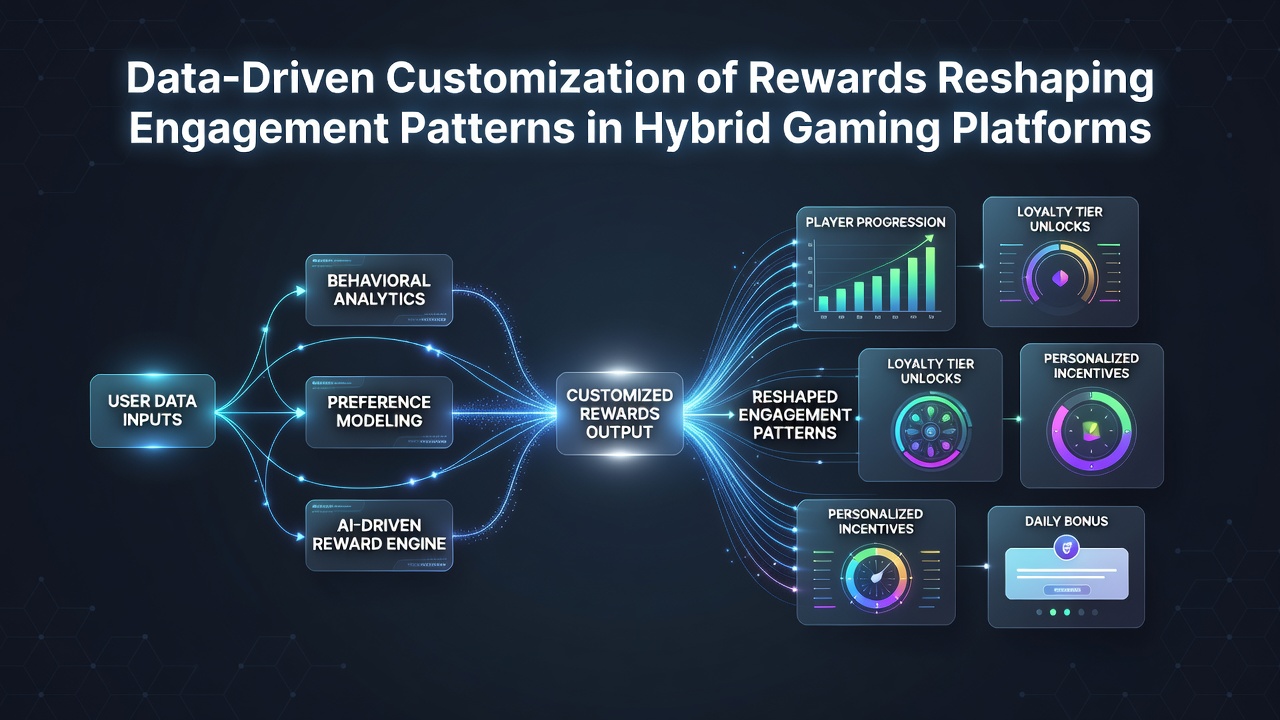
Analytics Fueling Customized Rewards Across Integrated Gaming Platforms
Platforms that combine slots, sports betting, poker, and live dealer games now rely on analytics to adjust incentives at the individual level, and this approach has produced measurable shifts in how users interact with multiple verticals during single sessions. Operators collect behavioral signals such as session duration, bet sizing patterns, and cross-product navigation, then feed those signals into algorithms that generate offers ranging from free spins to boosted odds or rake reductions. Data from multiple jurisdictions indicates that such personalization correlates with higher retention rates compared with static reward structures, though the exact uplift varies by market maturity and regulatory environment.
Core Mechanisms Behind Personalization
Hybrid platforms integrate player data across game types through unified player accounts, which allows algorithms to identify when a user switches from slots to sports betting and to trigger a relevant reward in the new vertical. Researchers at the International Gaming Institute have documented cases where real-time adjustments increased repeat deposits by aligning offers with observed preferences rather than generic promotions. In August 2026 several North American operators reported deploying updated models that factor in time-of-day activity and device type, producing reward sequences that adapt within minutes of a user’s first action in a session.
These systems depend on machine learning models trained on historical datasets that include win rates, loss-chasing indicators, and loyalty tier progression. The models assign probability scores to different reward types and then select the combination projected to sustain engagement without exceeding operator cost thresholds. Observers note that platforms using these layered models show steadier week-over-week active-user figures, particularly when rewards span both chance-based and skill-based products.
Observed Changes in Engagement Patterns
Engagement metrics tracked by industry associations reveal that users receiving customized sequences spend more time navigating between verticals instead of remaining in a single product. One study compiled by the American Gaming Association examined anonymized session logs from platforms operating in regulated U.S. states and found that players exposed to cross-vertical incentives completed an average of 2.3 additional game-type switches per session. The same analysis linked these switches to extended overall play windows, although total wager volume did not rise uniformly across all demographic segments.
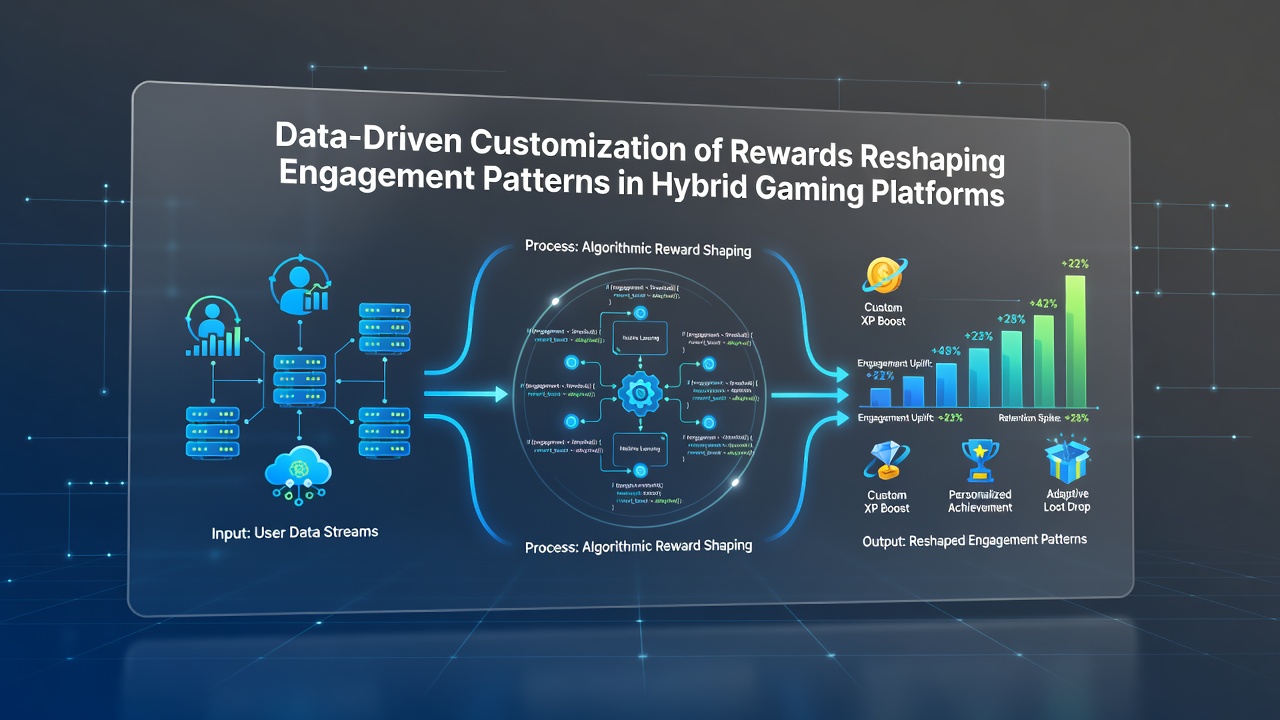
European operators governed by frameworks outside the United Kingdom have reported parallel trends. Figures released by the European Gaming and Betting Association in mid-2026 showed that platforms employing dynamic loyalty adjustments recorded lower rates of single-product fixation, with users distributing activity more evenly across casino and sports modules. The data also indicated that reward redemption rates climbed when offers appeared immediately after a user completed an action in a secondary vertical, suggesting that timing precision matters as much as offer relevance.
Technical and Regulatory Considerations
Implementation requires robust data pipelines that merge on-platform events with external signals such as payment method usage and geographic location. Platforms must maintain audit trails for every reward decision so regulators can verify compliance with responsible gaming rules. In markets where data-protection statutes are stringent, operators anonymize identifiers before feeding records into training sets, which limits the granularity of personalization yet still allows segment-level optimization.
August 2026 updates to certain state-level gaming statutes in the United States introduced mandatory disclosure requirements for algorithmic reward criteria, prompting several operators to publish simplified explanations of how player data influences offer generation. These disclosures have not altered the underlying models but have increased transparency for users who wish to understand why specific rewards appear in their accounts.
Future Trajectory
Continued refinement of predictive models is expected as more jurisdictions license hybrid products and generate comparable datasets. Academic researchers continue to examine whether long-term engagement gains persist once novelty effects diminish, and early working papers suggest that sustained personalization requires periodic recalibration of reward values to prevent habituation. Operators that maintain flexible architectures capable of incorporating new data streams, such as biometric session indicators or live-event triggers, are positioned to extend the lifespan of their current customization frameworks.
Conclusion
Data-driven customization of rewards has already altered how users move through hybrid gaming platforms, producing more varied session compositions and higher cross-vertical navigation. The patterns documented in multiple regions demonstrate that algorithmic timing and relevance directly influence retention metrics, while regulatory and technical constraints shape the boundaries within which these systems operate. As datasets expand and compliance standards evolve, the same analytical foundations are likely to support further adjustments in reward delivery across blended entertainment environments.